




Liver Cancer
The liver performs over 500 vital functions, from filtering toxins to supporting digestion and metabolism. When cancerous cells develop in liver tissue, they compromise those functions, and timely, expert-led care can significantly influence outcomes. If you or a family member has received a liver cancer diagnosis, understanding what lies ahead from diagnosis to treatment planning matters deeply. For patients across Noida and the wider Delhi NCR region seeking the best liver cancer hospital in Noida, structured specialist care is the essential first step.
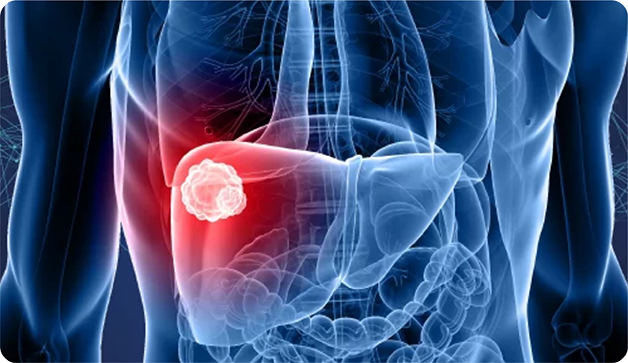


What Is Liver Cancer?
Liver cancer refers to malignant tumours that originate within the liver. The most common form is hepatocellular carcinoma (HCC), which arises from hepatocytes — the primary liver cells. Another type, cholangiocarcinoma, originates in the bile ducts within or near the liver. Cancer that spreads to the liver from another organ such as the colon or breast is classified as secondary or metastatic liver disease, not primary liver cancer. Each requires a distinct approach, making accurate diagnosis and specialist review essential before any treatment decisions are made.
Types of Liver Cancer
Accurate identification of the liver cancer type is critical because each carries different biological behaviour, treatment options, and prognosis.
Hepatocellular Carcinoma (HCC): The most common primary liver cancer, accounting for approximately 75–85% of all cases globally. It typically arises in the setting of underlying liver disease, most commonly cirrhosis from chronic hepatitis B, chronic hepatitis C, or alcohol-related liver disease. HCC is the focus of most liver cancer treatment protocols.
Intrahepatic Cholangiocarcinoma (iCCA): A cancer arising from the bile duct cells within the liver. It is biologically distinct from HCC and is treated differently, typically with surgery when resectable and with gemcitabine-cisplatin-based chemotherapy or targeted therapy (based on FGFR2 or IDH1 mutations) for advanced disease.
Hepatoblastoma: The most common liver cancer in children under five years of age. It is rare in adults. Treatment typically involves chemotherapy (cisplatin-based) combined with surgery and, in selected cases, liver transplantation.
Combined HCC-CCA (Mixed Tumour): A rare tumour showing features of both HCC and cholangiocarcinoma, requiring careful pathological analysis and individualised treatment planning.
Angiosarcoma of the Liver: An extremely rare and aggressive vascular tumour of the liver. Angiosarcoma of the liver is associated with prior exposure to thorotrast, vinyl chloride, or arsenic.
Secondary (Metastatic) Liver Cancer: The most common liver malignancy overall not a primary liver cancer but cancer that has spread from another site such as the colon, breast, lung, or pancreas. Treatment is directed at the primary origin.
Warning Signs to Watch For
Liver cancer often develops silently in its early stages. As the disease progresses, patients may experience:
Unexplained weight loss or loss of appetite
Persistent upper abdominal pain or discomfort, particularly on the right side
Swelling or a feeling of fullness in the abdomen
Jaundice — yellowing of the skin or eyes
Unusual fatigue or weakness
Nausea
These symptoms are non-specific and may indicate several conditions. However, if you notice one or more of these persistently, especially with known liver disease, consulting a best liver cancer specialist in Noida or the hepato-oncology team is advisable without delay.
Causes and Risk Factors
Understanding the root cause helps with both prevention and risk awareness. Conditions and factors that may increase the risk of hepatocellular carcinoma include:
Chronic hepatitis B or C infection — long-standing viral hepatitis is one of the most significant risk factors globally and in India.
Liver cirrhosis — scarring of liver tissue from any cause, including alcohol-related liver disease, fatty liver disease (NASH), or autoimmune hepatitis
Heavy or prolonged alcohol use, which can lead to cirrhosis over time
Aflatoxin exposure — a toxin produced by certain moulds found in improperly stored grains or peanuts
Obesity and type 2 diabetes, which are associated with non-alcoholic fatty liver disease
Having a risk factor does not mean cancer is inevitable, but people with chronic liver conditions are typically advised to undergo regular surveillance with ultrasound and AFP (alpha-fetoprotein) blood tests every six months, per EASL and AASLD guidelines.
How Is Liver Cancer Diagnosed and Staged?
Accurate diagnosis is the foundation of a sound treatment plan. The oncology team may recommend:
Liver ultrasound — often the first imaging investigation, particularly in surveillance programmes
CT scan or MRI of the abdomen — provides detailed characterisation of liver lesions and surrounding structures
Alpha-fetoprotein (AFP) blood test — a tumour marker elevated in many HCC cases, used alongside imaging
Liver biopsy — tissue sampling to confirm the diagnosis histologically, though not always required if imaging findings are
characteristic of HCC
Assessment of liver function — critical because treatment decisions depend not only on tumour characteristics but also on how well the liver is functioning overall (assessed using the Child-Pugh or MELD score)
Staging in liver cancer typically uses the Barcelona Clinic Liver Cancer (BCLC) system, which considers tumour size, number of nodules, vascular invasion, liver function, and overall patient health. The stage guides which treatments are medically appropriate and whether curative intent is realistic.
Treatment Options for Liver Cancer
Liver cancer treatment is rarely one-size-fits-all. A multidisciplinary team, typically including surgical oncologists, medical oncologists, radiation oncologists, hepatologists, and radiologists, collaborates to determine the most appropriate approach. Treatment decisions depend on the BCLC stage, liver function reserve, portal hypertension status, and the patient's overall performance status.
Surgical Resection: Removal of the tumour along with a margin of surrounding liver tissue. This approach is considered when the tumour is localised, the remaining liver has sufficient functional reserve, and there is no major vascular involvement. Liver cancer surgery in Noida at a specialist oncology centre requires thorough preoperative assessment, including volumetric evaluation of the future liver remnant.
Liver Transplantation: For eligible patients, particularly those meeting the Milan Criteria (single tumour 5 cm or smaller, or up to three tumours each 3 cm or smaller, without vascular invasion), a liver transplant may be considered. This addresses both the cancer and the underlying cirrhosis simultaneously. Transplantation depends on organ availability, patient fitness, and transplant eligibility evaluation. [VERIFY WITH IOCI NOIDA for transplant referral pathways.
Ablation Therapies: For small, unresectable tumours, techniques such as radiofrequency ablation (RFA) or microwave ablation may be used to destroy tumour cells using heat delivered through a needle under imaging guidance. These are well-established local therapies for early-stage HCC, per BCLC guidelines.
Trans-Arterial Chemoembolisation (TACE): A procedure in which chemotherapy drugs are delivered directly to the tumour's blood supply, after which the artery is blocked to cut off blood flow to the tumour. TACE is commonly used for intermediate-stage HCC and is supported by ESMO and AASLD guidelines as the standard of care for this stage.
Targeted Therapy: Medications such as sorafenib and lenvatinib work by targeting specific molecular pathways that drive tumour growth. These are recommended for advanced-stage HCC where surgery or local therapies are not feasible and are now well-established per NCCN and ESMO guidelines.
Immunotherapy: Checkpoint inhibitor-based therapies, including the combination of atezolizumab with bevacizumab, have demonstrated meaningful outcomes in advanced hepatocellular carcinoma and are now incorporated into international first-line treatment guidelines for advanced HCC.
Radiation Therapy: Stereotactic body radiotherapy (SBRT) may be considered for patients who are not surgical candidates, with precision radiation targeted to liver tumours while minimising dose to surrounding healthy liver tissue and the remaining functional parenchyma.
Cancer Care at IOCI Noida
IOCI Noida (International Oncology Cancer Institute) is located at Sector 62, Noida, within Fortis Hospital, serving patients across the Delhi NCR region. The institute offers oncology specialities, including surgical oncology, medical oncology, radiation oncology, haematology and diagnostic testing, as well as palliative care and nutritional support services, all in one place. The International Tumour Board meets biweekly to review complex cases and support personalised treatment decisions for each patient.
For patients across Noida, Greater Noida, and the broader Delhi NCR area seeking the best liver cancer specialist in Noida or a second opinion on a diagnosis, IOCI's multidisciplinary Tumour Board review can provide clarity and direction before committing to a treatment path. To discuss your case or ask about liver cancer treatment costs in Noida, you can book an appointment directly with the IOCI Noida oncology team.
